Building Codes and Standards: Legal Implications and Compliance for Engineers
In the world of engineering, building codes, and standards are essential elements that ensure the safety, reliability, and efficiency of structures. Whether you’re an experienced engineer or just starting, understanding these codes is crucial not just for the success of your projects but also for staying on the right side of the law. Gregory Ziegler attorney for construction and engineering firms emphasizes the importance of compliance in mitigating legal risks and enhancing professional credibility. Let’s dive into what building codes and standards mean, their legal implications, and how engineers can ensure compliance.
What Are Building Codes and Standards?
Building codes are a set of regulations that specify the minimum acceptable level of safety for constructed objects such as buildings and non-building structures. They cover various aspects like structural integrity, fire safety, electrical systems, plumbing, and more. Standards, on the other hand, are guidelines developed by professional organizations that ensure consistency and quality in materials and methods used in construction.
Why Are They Important?
- Safety and Welfare: The primary goal of building codes is to protect public health, safety, and welfare by ensuring buildings are safe and habitable.
- Legal Compliance: Adhering to building codes is not just a best practice but a legal requirement. Non-compliance can lead to fines, legal action, and even the demolition of non-compliant structures.
- Professional Reputation: Engineers who consistently comply with building codes and standards enhance their professional reputation and credibility.
Legal Implications of Non-Compliance

Ignoring or misunderstanding building codes can lead to serious legal consequences:
- Fines and Penalties: Authorities can impose significant fines on projects that do not meet code requirements.
- Legal Liability: Engineers can be held legally liable for damages resulting from non-compliance, including accidents or failures due to substandard construction.
- License Revocation: Persistent non-compliance can result in the suspension or revocation of an engineer’s professional license.
- Project Delays and Increased Costs: Non-compliance often requires costly corrections and can cause significant delays, impacting overall project budgets and timelines.
How Engineers Can Ensure Compliance
- Stay Informed: Building codes and standards are updated regularly. Engineers must stay informed about the latest changes by attending workshops, subscribing to professional journals, and participating in continuing education programs.
- Detailed Planning: Before starting a project, conduct a thorough review of all relevant codes and standards. Ensure your designs and plans adhere to these requirements from the outset.
- Collaboration: Work closely with other professionals such as architects, contractors, and code officials. Effective communication can help identify potential compliance issues early.
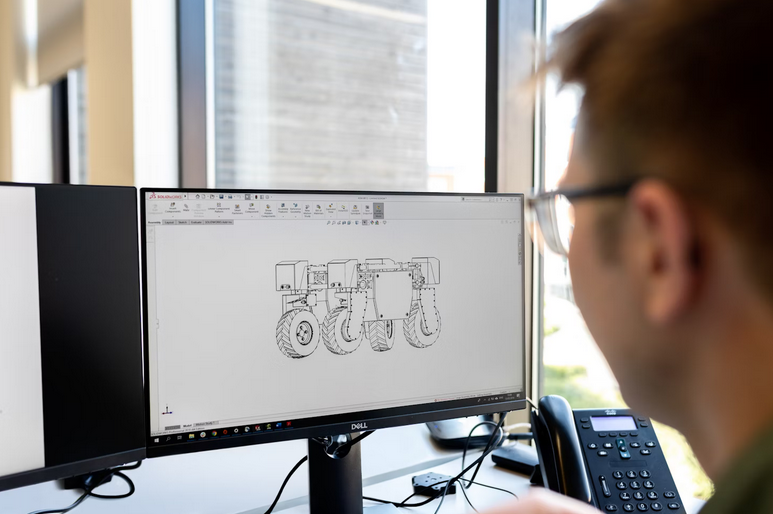
- Use of Technology: Utilize software tools that help with code compliance checks. Many modern CAD programs and building information modeling (BIM) software include features to ensure that designs meet current standards.
- Regular Inspections: Conduct regular inspections during the construction phase to ensure ongoing compliance. Address any issues promptly to avoid more significant problems later.
- Documentation: Keep detailed records of all compliance checks, inspections, and modifications. Proper documentation can be invaluable if legal issues arise.
Building codes and standards are more than just bureaucratic hurdles; they are essential guidelines that ensure the safety and integrity of our built environment. For engineers, understanding and complying with these regulations is a professional obligation that carries significant legal and ethical implications. By staying informed, planning meticulously, collaborating effectively, and leveraging technology, engineers can navigate the complexities of building codes with confidence and integrity. Compliance not only protects the public but also enhances the engineer’s reputation and the success of their projects. So, let’s embrace these standards, not as constraints but as tools that guide us toward excellence in engineering.…